Cambria quartz and granite are both premium surfaces, but they live very differently in a real kitchen. Here is the honest comparison on maintenance, durability, looks and warranty.
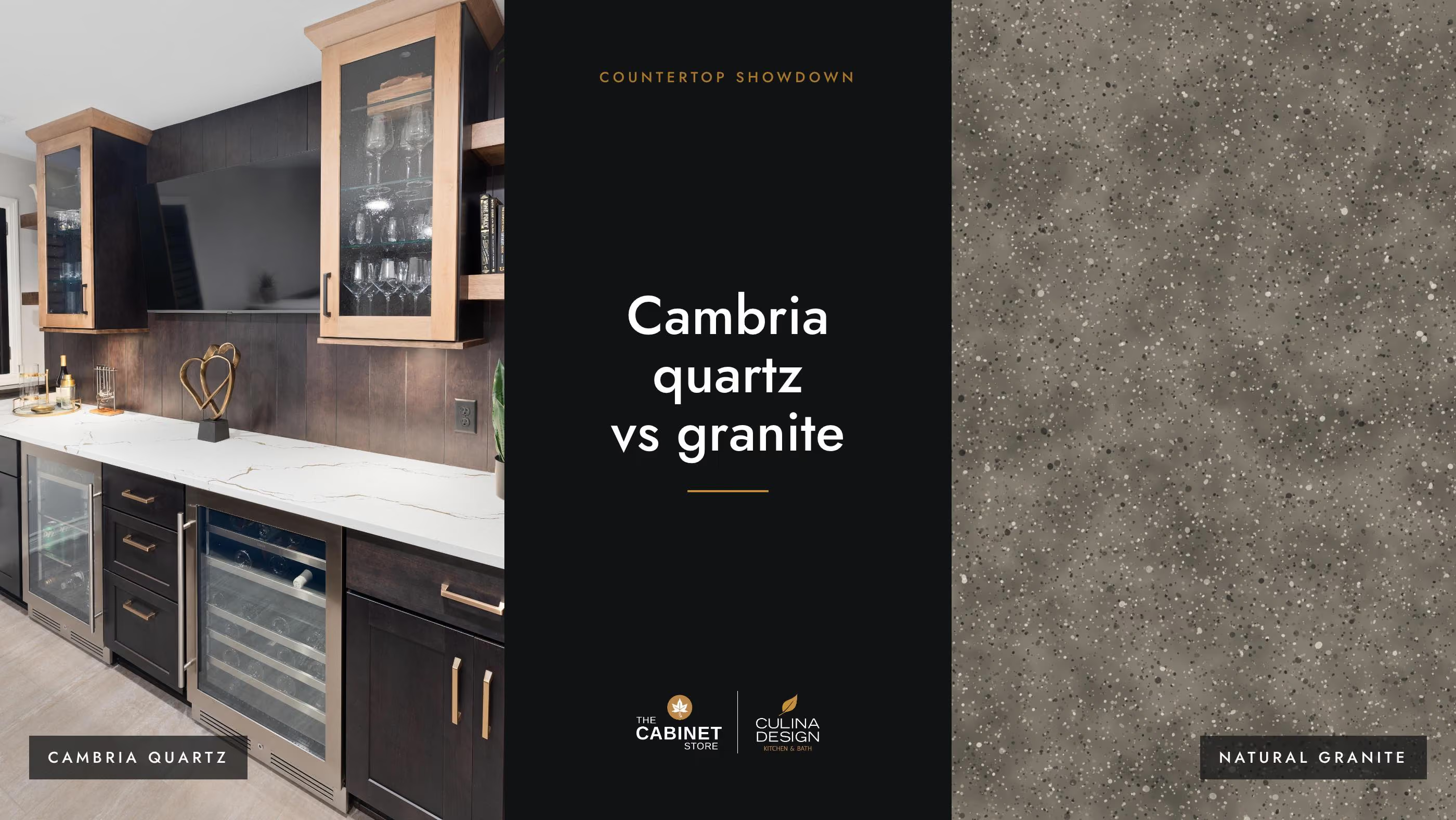
Wondering what the difference between Quartz, Granite and Cambria Quartz?
If you're about to remodel your kitchen or put in a new countertop, we want help you out.
The bottom line on the Quartz vs. Granite? Granite is an all natural piece of stone, which means it's less predictable in terms of flaws, is more porous and doesn't stand up to big temperature swings.
Granite needs to be sealed so it doesn't stain, doesn't get bacteria and keeps it's shine.
Quartz on the other hand is an engineered product, which means it's a combination of natural quartz stone, pigments and a binding agent.
Quartz is significantly stronger, is not porous, and has medical grade sealing without any additional messing around.
Quartz also has stunning designs since they're man made.
Just because Quartz is a superior product, doesn't mean that all Quartz is created equal.
The most desirable, longest warranty and most stunning Quartz countertops on the market comes from Cambria, and here at The Cabinet Store in Apple Valley, we have well over 40 selections on display and we have access to nearly all 150 of their amazing designs available as samples so you can touch, feel and experience it.
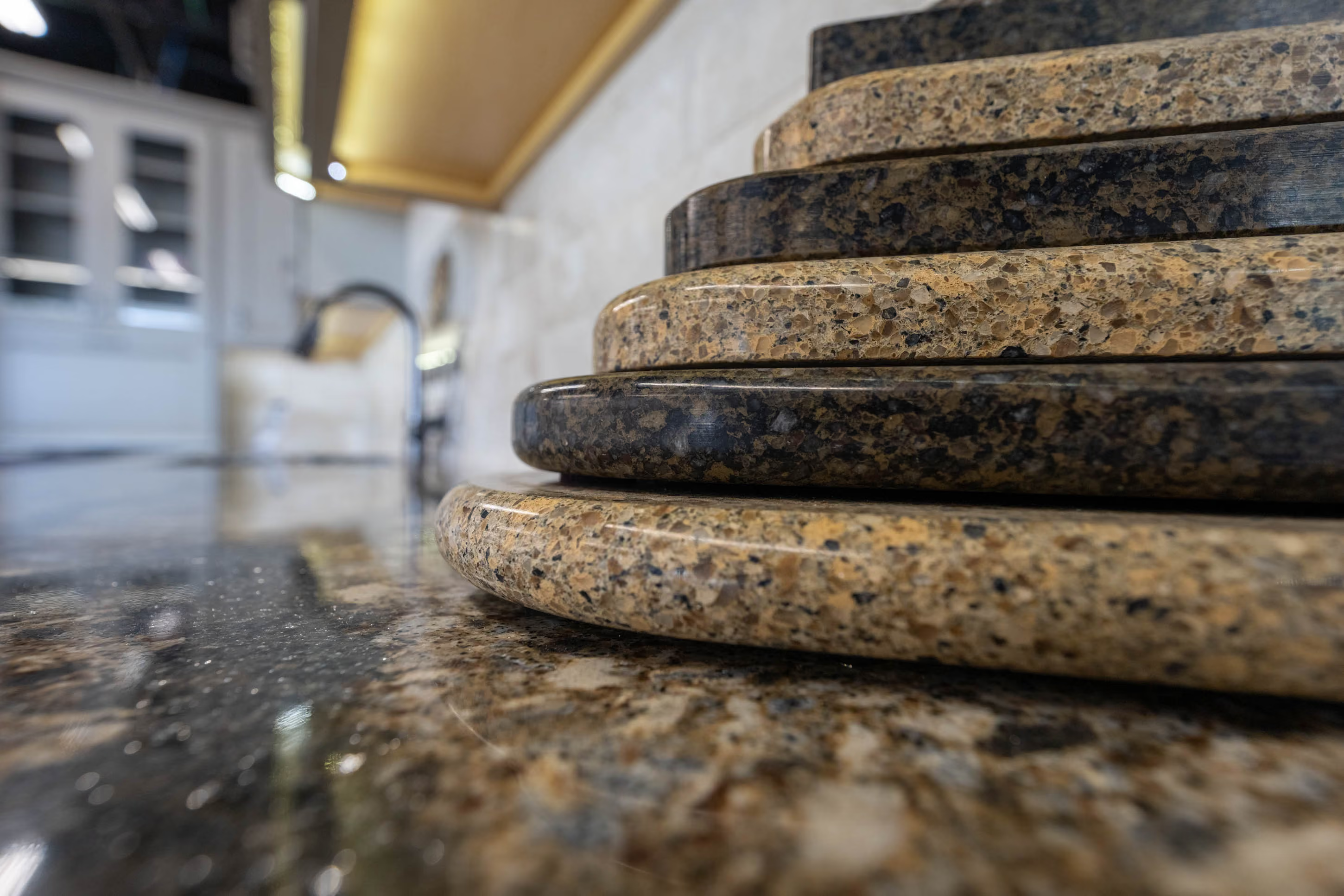
See the Cambria Quartz Samples Carried by The Cabinet Store in Apple Valley:
Watch this video that explains the major differences.
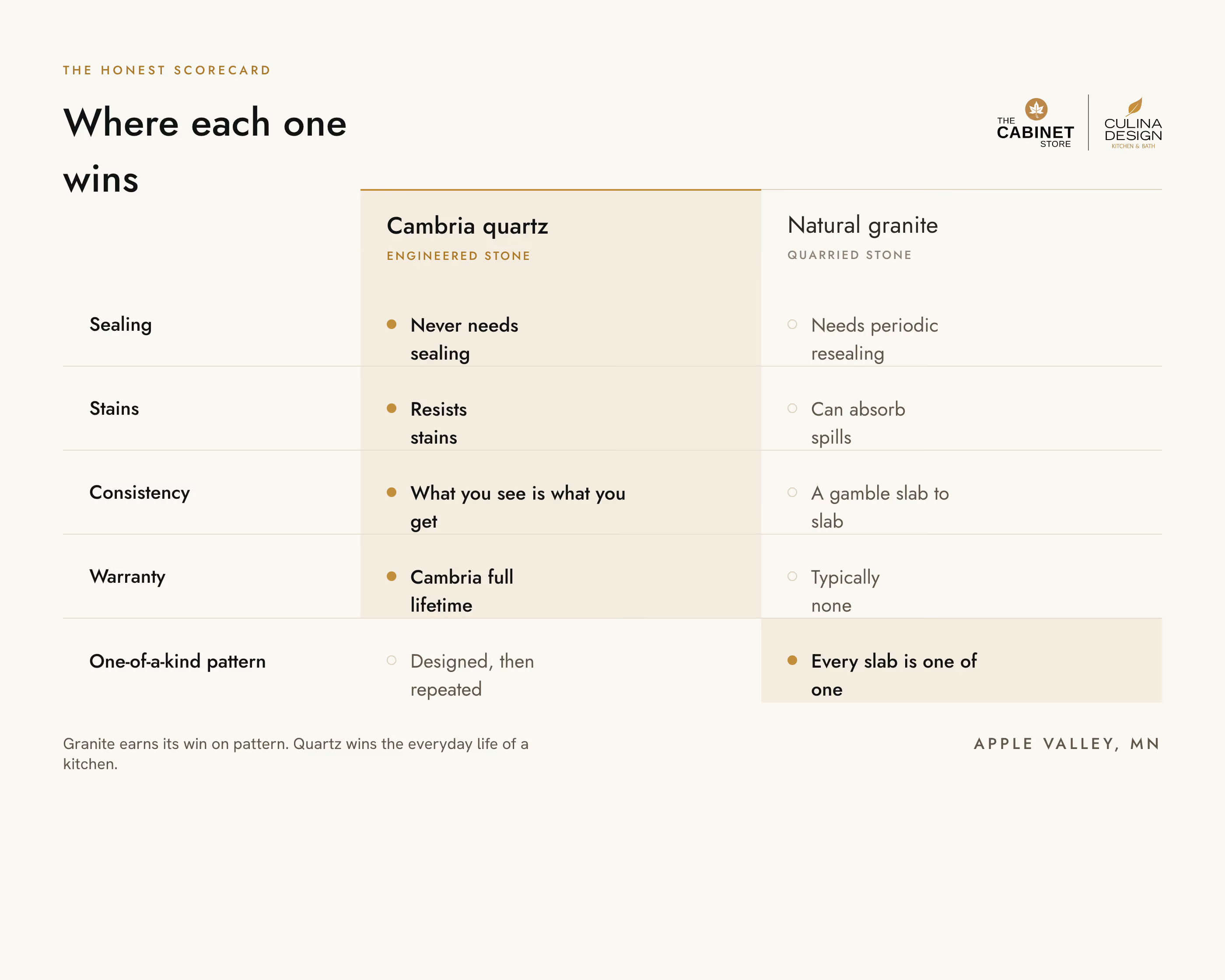
Cambria quartz and granite are both premium countertop surfaces, but they live very differently in a real kitchen. Cambria is nonporous, never needs sealing, resists stains, and is backed by Cambria's transferable Full Lifetime Warranty. Granite is a natural stone with one-of-a-kind patterning, but it is porous, needs periodic sealing, and carries no comparable warranty. For most busy kitchens, Cambria quartz is the stronger long-term choice. For homeowners who want a truly unique natural slab and accept the upkeep, granite still earns its place.
The difference between Cambria quartz and granite starts with how each surface is created. Granite is natural stone, quarried in slabs and cut to fit your kitchen, which means every piece is genuinely one of a kind but also unpredictable. Cambria quartz is an engineered surface made primarily of natural quartz, one of the hardest minerals on earth, bound into slabs with consistent color and pattern. Both are heavy, hard and premium. The practical differences show up in porosity, maintenance and warranty, and those differences are bigger than most showrooms let on.
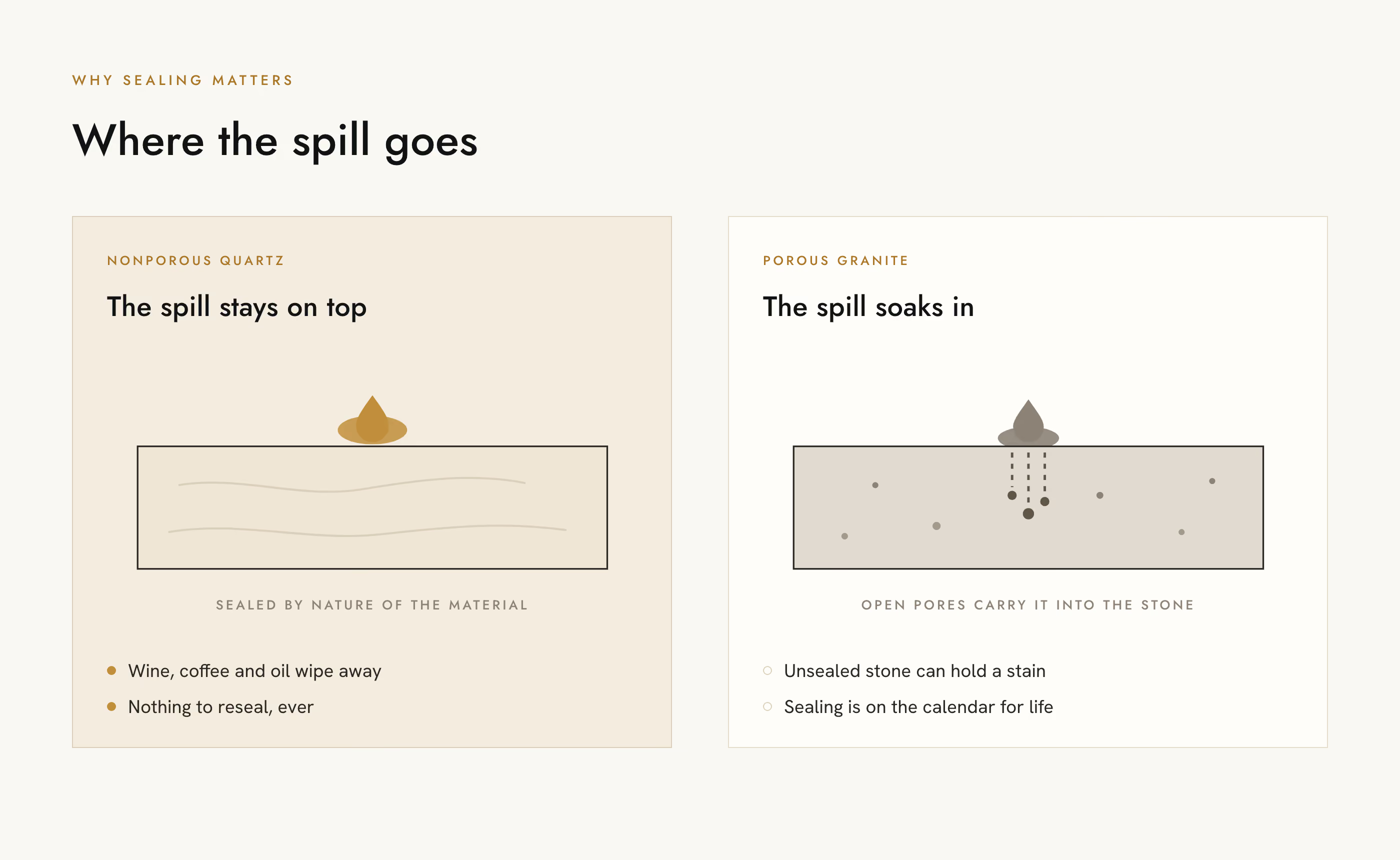
Cambria quartz never needs sealing. It is nonporous, so liquids sit on the surface instead of soaking in, and cleanup is warm water and mild soap. Granite is porous. It needs to be sealed at installation and then resealed periodically for the life of the countertop, because once the sealer wears, wine, oil and coffee can penetrate the stone and stain it permanently. If you are the household that wipes counters immediately and keeps a maintenance calendar, granite's upkeep is manageable. If you are a normal busy family, nonporous wins.
Cambria Quartz is the most resistant to bacteria, and it is not even close. Because the surface is nonporous, there's nowhere for spills or bacteria to hide, which is why Cambria is certified food safe and get's used in all sorts of commercial applications. Sealed granite performs well when the sealer is fresh, but the protection will fade over time, and most homeowners can't really tell until the countertop starts to hold stains, look dingy . The first sign is often a dark ring that will not wipe away. In a kitchen that actually gets cooked in, the surface that cannot absorb anything is the safer bet.
Both surfaces are hard and both are durable, with different weak points. Quartz resists scratching and everyday impact extremely well, and Cambria's density makes chipped edges rare in normal use. Granite is also very hard, though natural fissures in some slabs can make certain areas more chip-prone at edges and sinks. For heat, neither surface should meet a hot pan directly. Use a trivet on either one. That is the honest answer no matter what any salesperson tells you about their favorite slab.
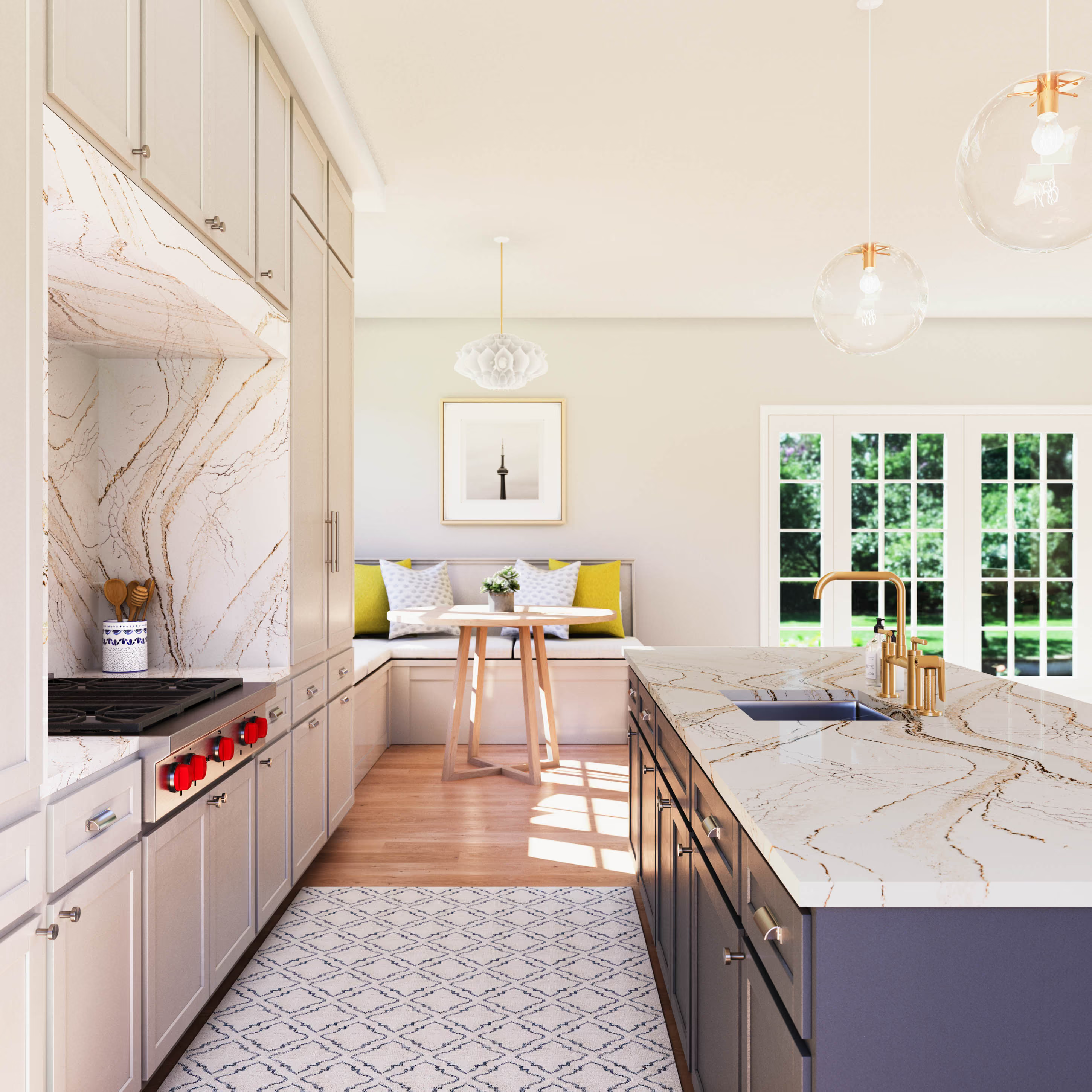
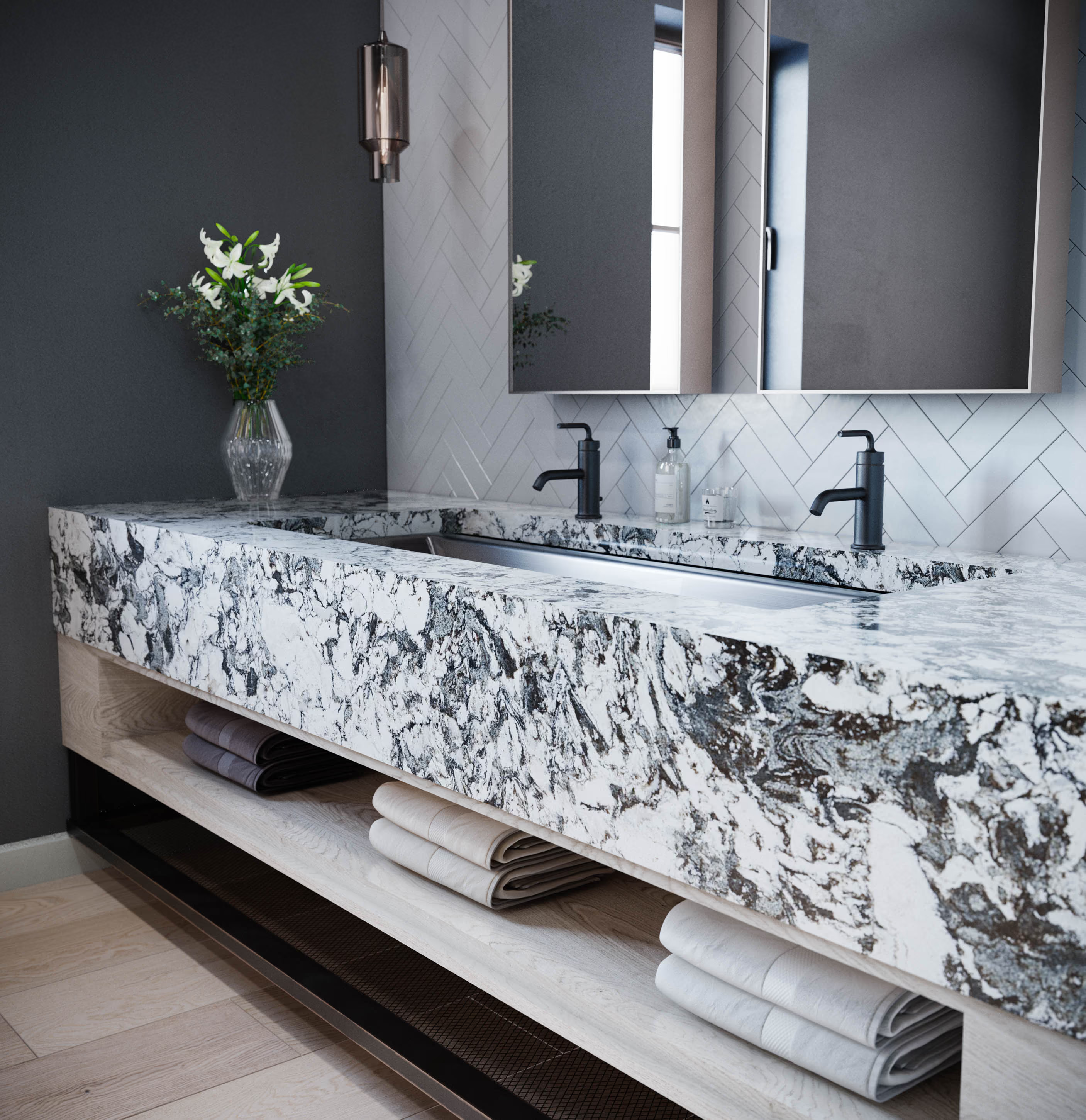
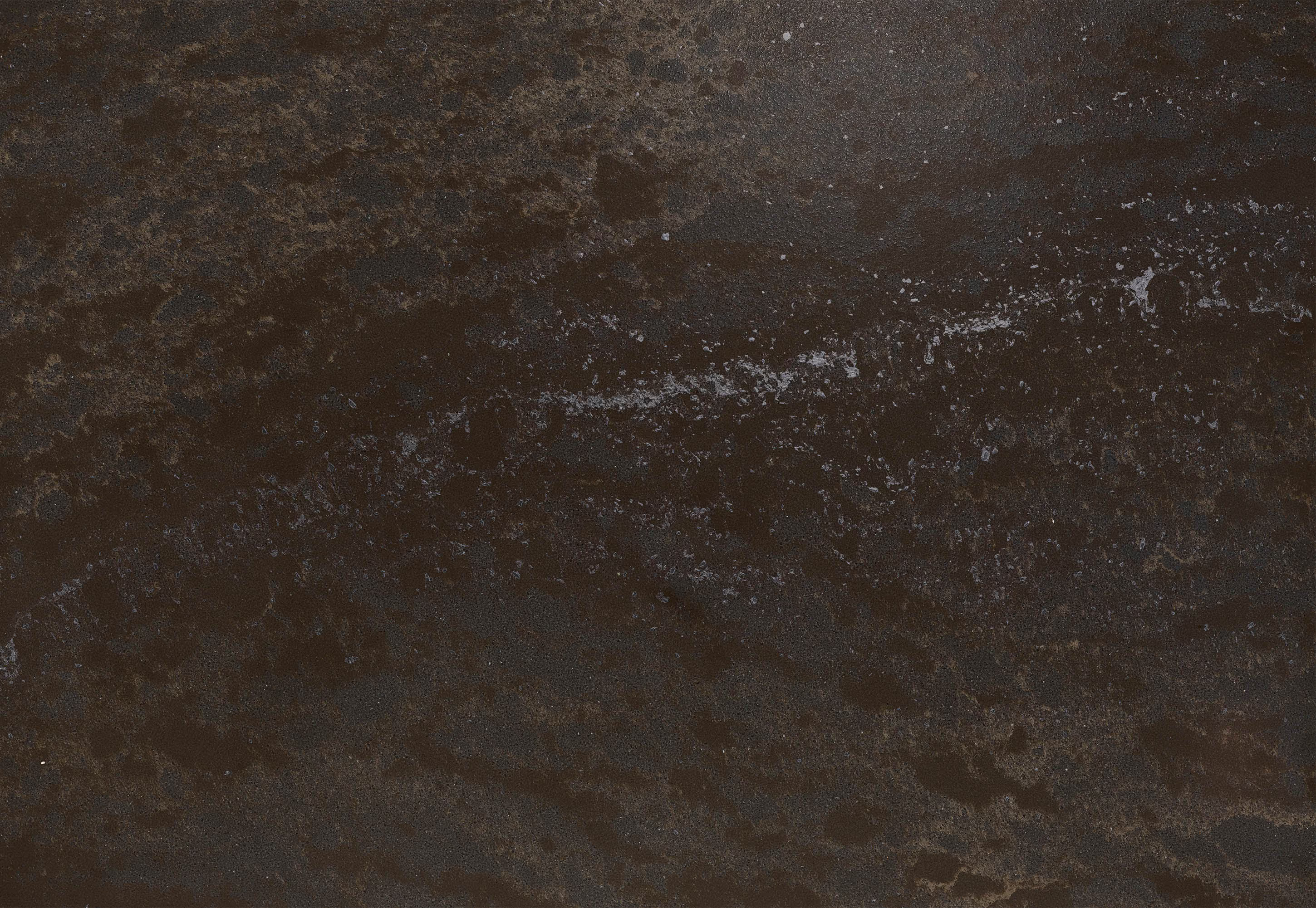
Does granite or quartz look better? Well, Quartz from Cambria has some unbelievable designs you need to check out, but the aesthetics of top tier granite slabs look amazing too. The problem is that it's unpredictable, and you'll pay a significant premium to get a higher tier slab of granity. Looks are the one category where granite fights on even ground, because a dramatic natural slab is genuinely unrepeatable because it's totally unique. What has changed over the last decade is that quartz design caught up because of the engineering and designs of Cambria. Cambria's designs now include movement, veining and depth that hold their own against natural marble and exotic granite, with 150 designs to prove it. Browse Brittanicca Gold Warm for marble-style drama or Blackbrook for deep modern contrast, then explore the full range on our Cambria quartz designs page. The real advantage is consistency. The slab you fall in love with in the showroom is the slab that shows up in your kitchen, and seams can be planned with confidence. With granite, you buy the exact slab you see or you gamble.
Both materials can be fabricated with a full range of edges, from crisp eased edges for modern kitchens to ogee profiles for traditional ones. Cambria's consistency makes detailed edges especially clean because the pattern runs true through the slab. See the options on our Cambria edge profiles page, and gather ideas on the design inspiration page before your consultation.
They overlap more than people expect. Entry granite can undercut quartz, premium exotic granite can cost far more, and Cambria sits in the premium quartz tier with pricing that varies by design and edge. Fabrication, sink cutouts and installation shape the final number as much as the material does, which is why we price countertops against your actual kitchen rather than quoting a fantasy per-square-foot figure here. Bring your layout to a complimentary Design and Budget Consultation and you will leave with a real number in about an hour.
This is the sleeper difference. According to Cambria, its surfaces are backed by a transferable Full Lifetime Warranty. Granite, as a natural product, typically carries no material warranty at all beyond the fabricator's workmanship coverage. Twenty years from now, that difference matters. It also mirrors how we handle cabinets, where every box we sell carries a part-by-part registered lifetime warranty that we own and service ourselves. Surfaces and cabinetry you never have to think about again. That is the standard.
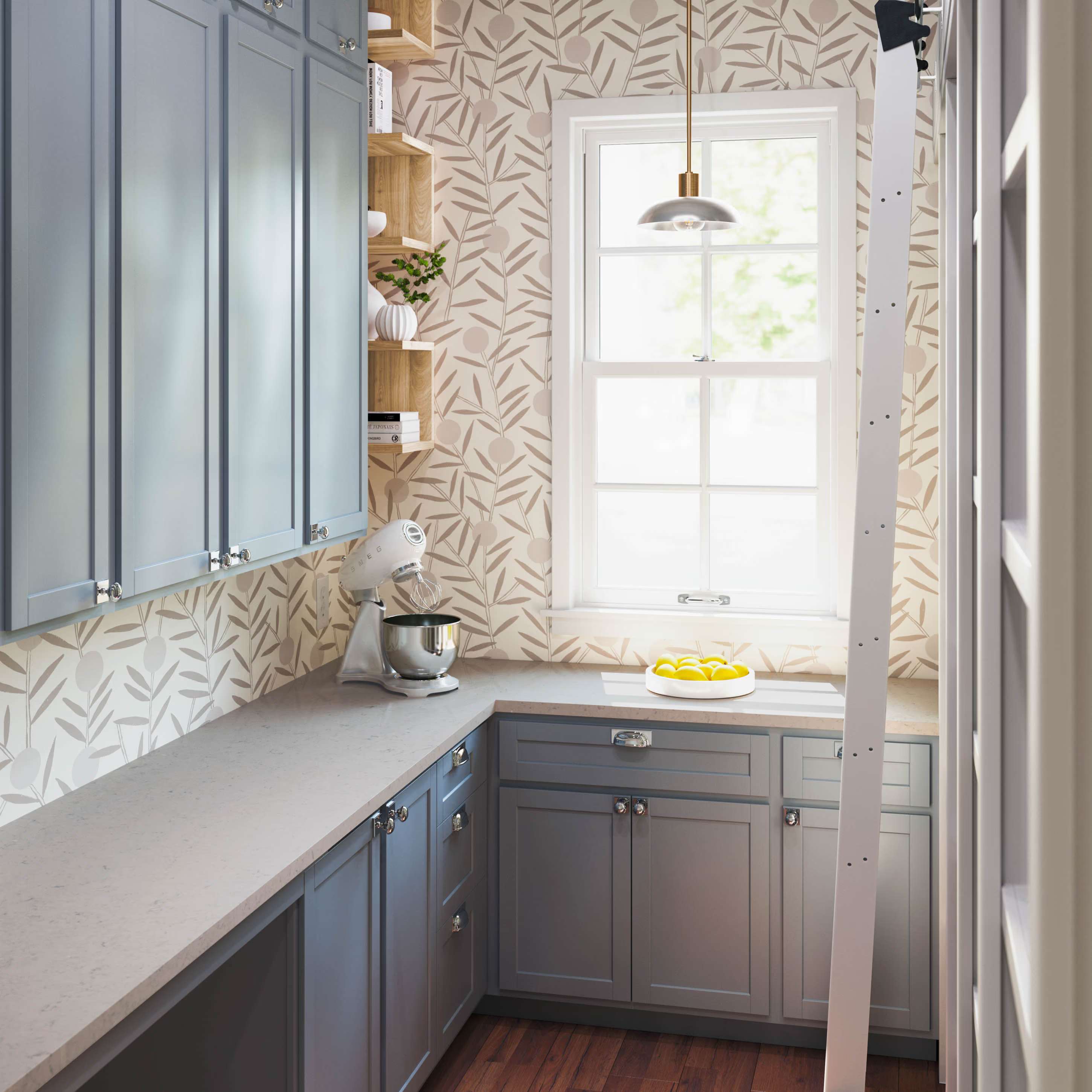
Premier dealer status reflects a deep, ongoing relationship with Cambria, which for you means the full design library on display, current samples, trained designers who work with the material every week, and priority access when your project is on the clock. Countertop fabrication and installation is handled by our trusted trade partners and coordinated by us from template to install, so your Cambria countertop installation lands on schedule and your cabinets, tops and timeline all answer to one team. One designer, one plan, no finger-pointing between vendors.
Cabinets first, almost always. The boxes set the layout, the heights and the overhangs, and the tops are templated to the installed cabinets. It is also why the cabinet box matters to your countertop. Stone is heavy, and plywood box construction carries it without sagging for decades. If you are planning both, read our guide on all-wood versus particleboard cabinets, then look at truly custom cabinets designed to pair with your surface. And if your cabinets are solid but your tops are tired, countertop re-topping replaces the surface without replacing the kitchen.
Choose Cambria quartz if you want a premium surface that looks spectacular, shrugs off daily life, never needs sealing and carries a real warranty. Choose granite if owning a one-of-a-kind natural slab matters more to you than low maintenance, and you will genuinely keep up with sealing. Most of the kitchens we design end up in Cambria, and most of those homeowners tell us the no-maintenance part is what they appreciate most by year three. See both decisions play out in our project gallery.
At our Apple Valley showroom, where you can stand full Cambria displays next to cabinet samples and judge the designs in real light. We serve the whole south metro, from Apple Valley and Burnsville to Prior Lake and Woodbury. Find your city on our service areas page.
Yes, we wrote this to earn your business, and we would love to show you why Cambria earned ours. Start with a complimentary Design and Budget Consultation at our Apple Valley showroom. You will compare designs in person, talk through your kitchen with a dedicated designer, and leave with a real budget in about an hour. Book your consultation or plan a showroom visit.
.avif)